You’ve met the beans. You know Madagascar vanilla from Tahitian, Mexican from Ugandan, and you’ve discovered that vanilla has a whole lot more personality than that little brown bottle in the baking aisle ever let on.
Now comes the next question:
How do you choose vanilla beans for homemade extract?
Before we go any further, I need to add this: *Affiliate Disclosure: Some of the Amazon links below are affiliate links. As an Amazon Associate, Maison Hearth earns from qualifying purchases. If you make a purchase through one of these links, I may earn a small commission at no additional cost to you. I only share products I personally use, enjoy, or believe may be helpful to my readers. VanillaPura is not an affiliate link, and I am not compensated for mentioning or recommending them.
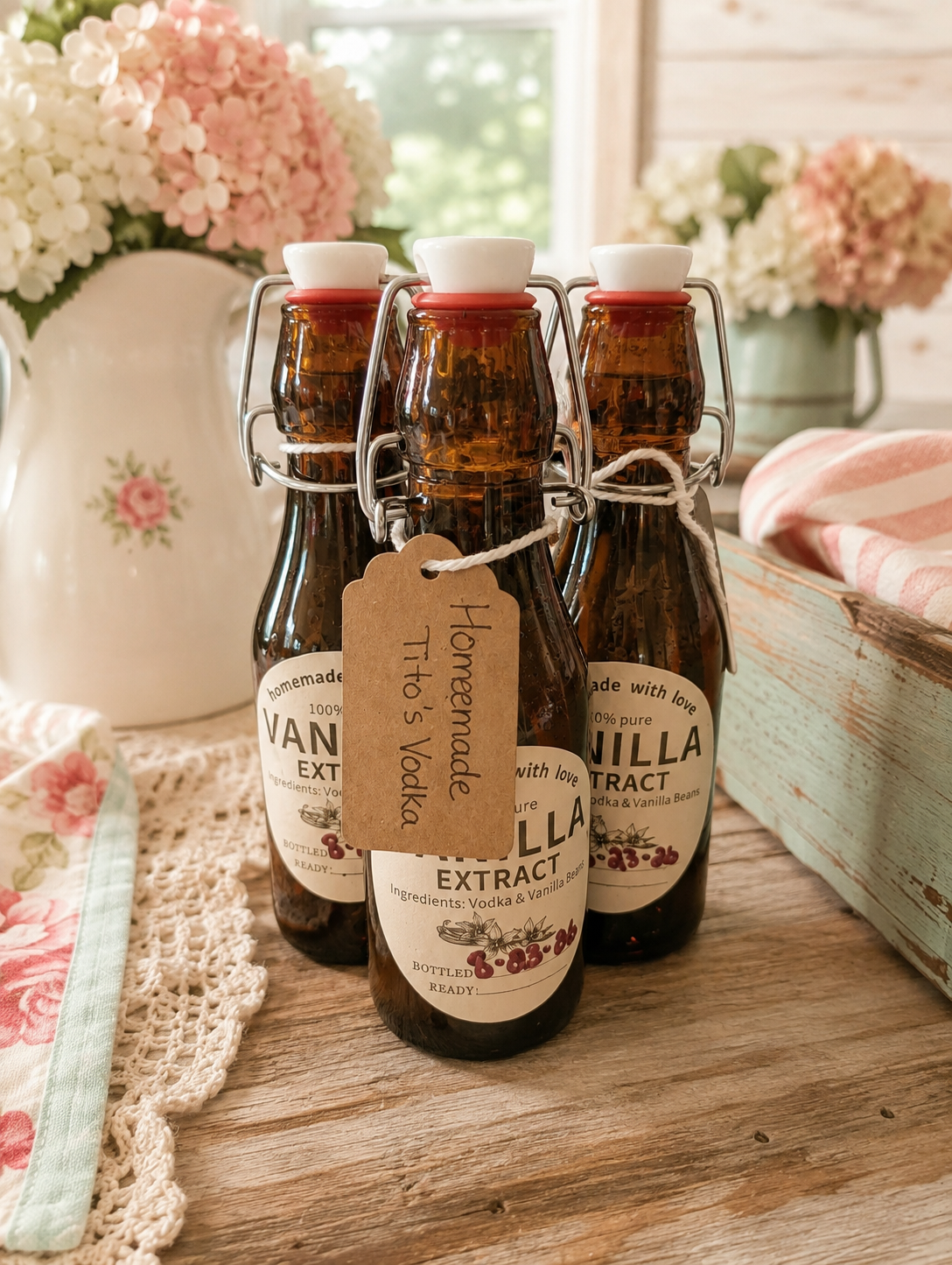
Because once you start shopping for vanilla beans, things get a little interesting.
Grade A. Grade B. Gourmet. Extract Grade. Long beans. Short beans. Oily beans. Dry beans. Vacuum sealed. Different countries, different prices, different moisture levels.
Suddenly, buying vanilla beans feels less like grocery shopping and more like adopting a very expensive, delicious little houseplant.
But it really doesn’t have to be complicated.
Today in The Vanilla Pantry, we’re digging into how to pick good-quality vanilla beans for homemade vanilla extract, what Grade A and Grade B actually mean, what to look for before you buy, and which things matter far less than the internet sometimes makes them seem.
So grab your Coca-Cola and pull up a chair. We’re bean shopping.
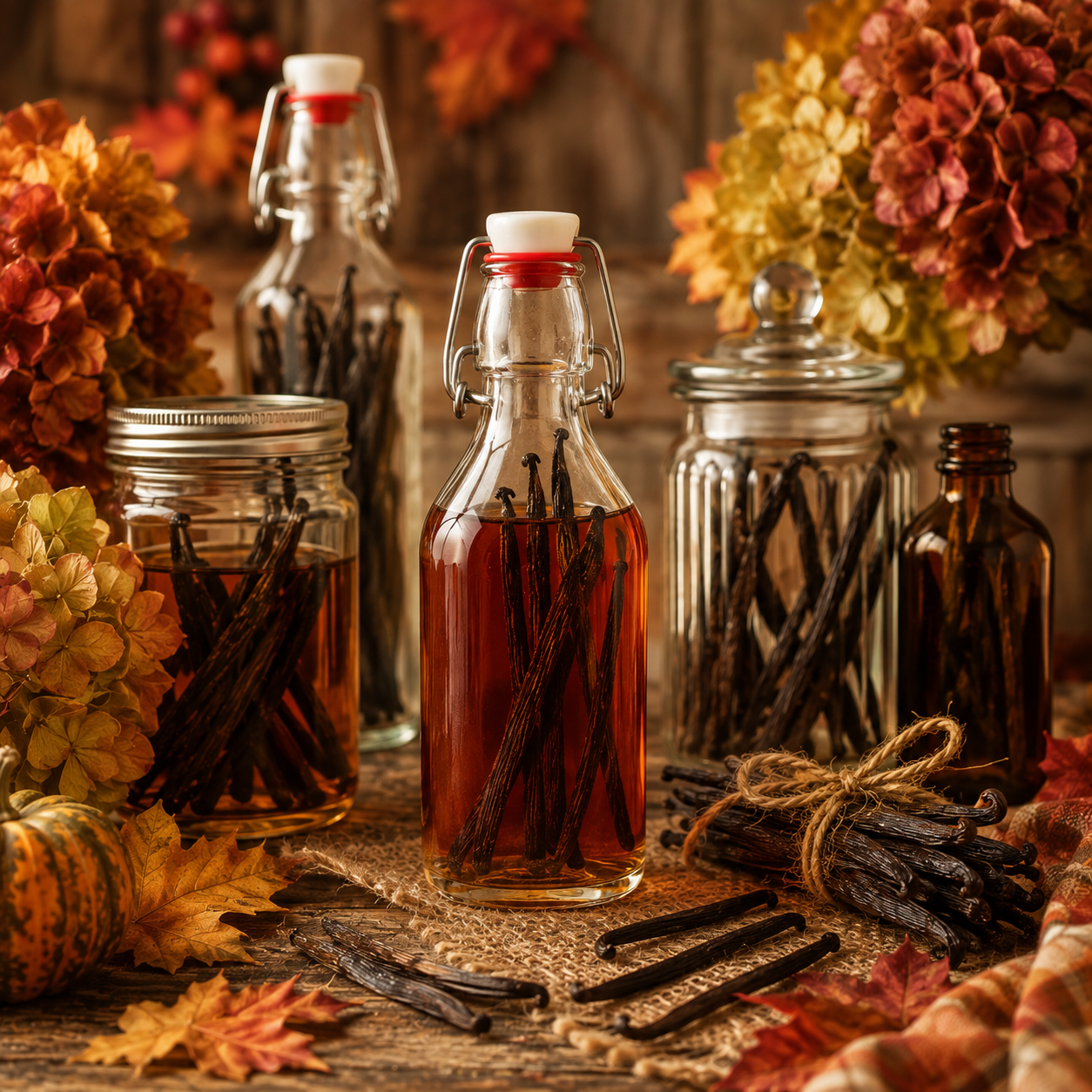
How to Choose Vanilla Beans for Homemade Extract
Here is the first thing I want you to know:
There is no single “perfect” vanilla bean for homemade extract.
The best bean depends on the flavor you want, your budget, what is available to you, and sometimes simply what sounds fun to try.
That is one of my favorite things about making homemade vanilla extract.
You get to choose.
Want that familiar, rich vanilla flavor that works beautifully in cookies and cakes? Madagascar beans are a wonderful place to start.
Want something floral and fruity? Tahitian vanilla may be calling your name.
Want something deep, bold, and a little different? Ugandan vanilla might deserve a spot in your pantry.
But before we get into origin and flavor again, there is another label you are almost guaranteed to encounter when shopping:
Grade A versus Grade B.
And this is where vanilla shopping gets unnecessarily dramatic.
Grade A vs. Grade B Vanilla Beans
If you have been researching homemade vanilla extract, you have probably heard that you must use Grade B beans.
Not necessarily.
Both Grade A and Grade B vanilla beans can be used to make beautiful homemade vanilla extract.
The biggest difference between them is generally their moisture content, appearance, and intended use.
Grade A Vanilla Beans
Grade A beans are often called gourmet vanilla beans.
They typically contain more moisture, which makes them softer, plumper, and easier to split open.
These are the beans that tend to look especially gorgeous when you pull them from the package.
Grade A beans are wonderful when you want to use the actual vanilla seeds in recipes because they are generally easier to work with.
Think:
- Vanilla bean ice cream
- Custards
- Pastry cream
- Crème brûlée
- Frostings
- Cakes
- Homemade vanilla sugar
But can you use Grade A beans for vanilla extract?
Absolutely.
They contain more water than Grade B beans, so you are paying for some moisture along with your vanilla bean. But they can still produce delicious homemade extract.
Grade B Vanilla Beans
Grade B beans are often sold as extract-grade vanilla beans.
They generally contain less moisture than Grade A beans, which means they may look thinner, feel drier, and be a little less glamorous.
Do not let their wrinkly little appearance hurt their feelings.
They have a job to do.
And they are very good at it.
Because Grade B beans contain less water, you are getting more vanilla bean material by weight compared with a wetter bean. They are often less expensive, too, which makes them especially attractive when you are buying vanilla beans specifically for extract.
Grade B beans may take a little more effort to split because they are not as soft and supple, but once they are tucked into alcohol and given enough time, they can produce wonderfully rich vanilla extract.
So, Is Grade B Better for Homemade Vanilla Extract?
Not automatically.
I know. The vanilla police may be circling the house.
Grade B is often the more economical choice for extract, and that is why you will see it recommended so frequently.
But Grade A is not “too good” for extract, nor will using it somehow ruin your vanilla.
If you already have beautiful Grade A beans sitting in your pantry, use them.
If Grade B beans are less expensive and you are buying a larger quantity specifically to make extract, they are an excellent choice.
The important part is the quality and weight of the vanilla beans, not simply the letter printed on the package.
What Should Good Vanilla Beans Look Like?
Whether you are buying Grade A or Grade B beans, there are a few things worth looking for.
Grade A Beans Should Be Supple
A good Grade A vanilla bean should generally be flexible rather than brittle.
You should be able to bend it without it immediately snapping.
It may have a slightly glossy or oily-looking surface, and it should have that wonderfully intense vanilla aroma when the package is opened.
Basically, it should look alive enough that you briefly consider naming it.
Grade B Beans May Be Drier
Grade B beans naturally contain less moisture, so do not expect them to look exactly like gourmet beans.
They may be thinner, more wrinkled, or less flexible.
That does not automatically mean they are poor-quality beans.
Dry is one thing.
Brittle, moldy, rotten, or completely scentless is another.
Watch for Mold on Vanilla Beans
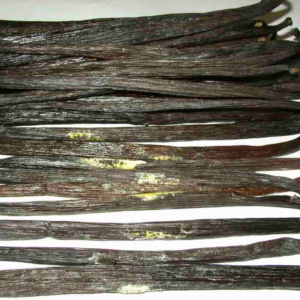
This one deserves its own little section because vanilla beans can occasionally develop mold, particularly when they have been stored improperly.
Actual mold can appear fuzzy or hairy and may be white, green, blue, or another unusual color.
If you suspect a vanilla bean is moldy, I would not use it for homemade extract.
However, vanilla beans can also develop vanillin crystals, which may appear as whitish crystals on the surface.
Those are not necessarily mold.
Vanillin is one of the naturally occurring compounds responsible for vanilla’s familiar aroma and flavor.
If you are uncertain whether something on a bean is mold or harmless crystallization, err on the side of caution.
Vanilla beans are wonderful.
Food poisoning is not one of our pantry projects.
Size Isn’t Everything
One of the easiest traps when shopping for vanilla beans is assuming the longest bean must automatically be the best bean.
Not so fast.
Vanilla beans naturally vary in length and size.
A longer bean can certainly be beautiful, but length alone does not determine quality.
For homemade vanilla extract, weight is much more useful than counting individual beans.
Why?
Because one vanilla bean might be thick, plump, and heavy while another is skinny and lightweight.
That means recipes telling you to use “five vanilla beans” can be surprisingly inconsistent.
Five beans from one package may weigh considerably more than five beans from another.
For extract making, your kitchen scale is about to become your vanilla-loving best friend.
Buy Vanilla Beans by Weight, Not Just Bean Count
When you are making homemade vanilla extract, pay attention to the weight of your vanilla beans rather than relying entirely on the number of beans.
This becomes especially important when you begin making larger batches.
A seller advertising “10 vanilla beans” isn’t necessarily giving you the same amount of vanilla as another seller offering 10 beans.
Look for listings that clearly state the total weight.
It makes planning your extract much easier and gives you a much better idea of what you are actually paying for.
We’ll talk much more about vanilla-to-alcohol ratios when we make our extract later in The Vanilla Pantry, but for now remember this:
Vanilla extract is better measured by weight than by bean count.
Does the Country of Origin Matter?
Absolutely, but probably not in the way you are thinking.
Origin does not necessarily tell you whether one bean is “better” than another.
It tells you something about the flavor profile you can expect.
As we talked about in Part 2, vanilla grown in different regions can develop noticeably different aromas and flavor characteristics.
Madagascar vanilla tends to give us that rich, creamy, familiar vanilla flavor many bakers recognize immediately.
Mexican vanilla can offer deeper, warmer notes with spicy or woody characteristics.
Tahitian vanilla is often more floral and fruity.
Ugandan vanilla can be dark, bold, earthy, and sometimes almost chocolatey.
Choosing an origin is less about finding the winner and more about deciding what you want your homemade extract to become.
And yes, eventually you may end up with several jars because you “needed to compare them.”
Welcome to the Vanilla Pantry.
We have jars.
So many jars.
Can You Mix Different Vanilla Beans?
You certainly can.
This is where homemade vanilla extract gets especially fun.
You are not required to make an extract using beans from only one origin.
You can create your own blend.
Maybe Madagascar gives you the classic vanilla foundation you love, but you want a little of Tahitian vanilla’s fruity, floral character.
Blend them.
Maybe you love the depth of Ugandan vanilla but want to soften it with something creamy and familiar.
Blend away.
Making your own vanilla extract gives you the freedom to experiment with combinations that you are unlikely to find sitting on an ordinary grocery store shelf.
Just keep notes.
Trust me on this one.
Three months later, “I think I put some Madagascar in there?” is not particularly useful information.
Label the jar.
Future you deserves better.
Should You Buy Organic Vanilla Beans?
Organic vanilla beans are absolutely an option, but you do not have to buy organic beans to make good homemade vanilla extract.
If organic sourcing is important to you, look for beans that have been certified according to the applicable organic standards rather than relying only on vague marketing language.
More importantly, buy your vanilla beans from a seller who provides clear information about the beans.
You should be able to determine things such as:
- Country of origin
- Grade or moisture category
- Approximate weight
- Variety or species when available
- Packaging method
- Sourcing information
Transparency is worth paying attention to.
Where Should You Buy Vanilla Beans?
You can find vanilla beans through specialty spice companies, vanilla suppliers, co-ops, online retailers, and occasionally well-stocked grocery stores.
For homemade extract, buying beans individually at the grocery store can become expensive very quickly.
Those little glass jars containing one or two beans are perfectly useful when you need a bean for a recipe, but they are rarely the most economical way to fill an extract jar.
If you plan to make several bottles of vanilla extract, buying vanilla beans by the ounce or in larger quantities can make much more sense.
Before ordering, check:
- Where the beans were grown
- Whether they are Grade A or Grade B
- The total weight you are purchasing
- How they are packaged
- Recent customer feedback
- The seller’s storage and handling information
And compare price by weight, not simply price per package.
That pretty package of 10 beans may not be the bargain it appears to be.
A Few of My Favorite Vanilla Beans
Now that we’ve talked about what to look for when buying vanilla beans, I want to share a few that I personally reach for.
There are plenty of places to buy good vanilla beans, and I’m certainly not going to pretend there is only one right place to shop. But when I find beans I like, I tend to stick with them. Vanilla extract takes months to develop, so this is not exactly the place where I want to play mystery bean roulette.

Vanilla Bean Kings Madagascar Vanilla Beans
One of my favorites for homemade vanilla extract is Vanilla Bean Kings Madagascar Vanilla Beans.
Madagascar beans are a wonderful choice if you want that classic, rich, creamy vanilla flavor most of us associate with traditional vanilla extract. They are also a great starting point if this is your very first homemade batch.
I have purchased these through Amazon and have really enjoyed using them in my homemade extracts.
Shop my Vanilla Bean Kings Madagascar Vanilla Beans on Amazon*
Vanilla Bean Kings offers both Grade A and Grade B beans, including beans intended specifically for extract making.
Vanilla Bean Kings Tahitian Vanilla Beans
I also really like Vanilla Bean Kings Tahitian Vanilla Beans.
These are fun when you want to venture beyond that traditional Madagascar vanilla profile. Tahitian vanilla tends to bring those beautiful floral and fruity notes we talked about in The Vanilla Pantry Part 2: Meet the Bean.
If you are planning to make more than one jar of extract, this is where things start getting dangerous.
You make one Madagascar jar.
Then you need a Tahitian jar for comparison.
Then another bean catches your eye.
Suddenly there is an entire vanilla laboratory happening in the pantry.
Ask me how these things happen.
Shop my Vanilla Bean Kings Tahitian Vanilla Beans on Amazon*
Another Vanilla Bean Source: VanillaPura
Another place worth exploring, especially if you are getting serious about homemade extracts or want to purchase beans through group buys, is VanillaPura.
I am not affiliated with VanillaPura, and I do not earn anything if you purchase from them. I simply think they are another resource worth knowing about.
VanillaPura offers a large selection of vanilla beans, including Grade A and Grade B varieties from different origins. They also offer group buys and membership options for people who want to explore more varieties or purchase beans regularly.
Their group-buy option can be particularly interesting once vanilla making goes from “I think I’ll make a bottle” to “Why are there twelve jars in this cabinet?” Group buys generally trade a longer wait for lower pricing.
A Little Note Before You Shop
You absolutely do not need to buy the exact beans I use to make wonderful homemade vanilla extract.
Use the tips in this guide to compare origin, grade, condition, weight, price, and seller information. Then choose the beans that fit your budget and the flavor you want to create.
The best part of making your own vanilla is that your perfect bean does not have to be the same as mine.
Affiliate Disclosure
*Affiliate Disclosure: Some of the Amazon links above are affiliate links. As an Amazon Associate, Maison Hearth earns from qualifying purchases. If you make a purchase through one of these links, I may earn a small commission at no additional cost to you. I only share products I personally use, enjoy, or believe may be helpful to my readers. VanillaPura is not an affiliate link, and I am not compensated for mentioning or recommending them.
How Should Vanilla Beans Be Packaged?
Vanilla beans need protection from excessive air and drying.
Vacuum-sealed packaging is common because it helps preserve the beans during storage and shipping.
Once you receive your beans, inspect them.
They should smell strongly aromatic and appropriate for their variety. Grade A beans should generally feel pliable, while extract-grade beans may naturally be somewhat drier.
If something smells sour, rotten, or otherwise distinctly wrong, investigate before putting those beans into your extract.
Our goal is vanilla.
Not a kitchen science experiment with questionable intentions.
Don’t Judge a Vanilla Bean by Its Wrinkles
This might be my favorite lesson in the whole vanilla adventure.
Vanilla beans are agricultural products.
They are not manufactured little brown sticks designed to look identical.
Some will be longer.
Some shorter.
Some plumper.
Some skinnier.
Some smooth.
Some wrinkled enough to look like they have been worrying about the electric bill since 1987.
That does not automatically make one good and another bad.
For homemade extract, aroma, condition, origin, moisture level, and weight matter much more than whether every bean looks picture-perfect.
Honestly, that feels very Maison Hearth.
No perfection required.
Even from the vanilla beans.
My Pick for Your First Homemade Vanilla Extract
If this is your very first time making homemade vanilla extract and you just want me to tell you where to start, I would keep things simple.
Choose a good-quality Madagascar vanilla bean, either Grade A or Grade B, from a reputable seller.
Madagascar vanilla gives you that classic, rich vanilla flavor most of us already know and love, making it an approachable starting point for a first batch.
Once you understand the process?
Then start playing.
Try Tahitian.
Try Ugandan.
Try Mexican.
Make two jars using different beans but the same spirit and compare them.
Blend varieties.
Experiment.
Take notes.
Homemade vanilla extract is a long game, and that is part of what makes it special.
You’re creating something that changes while it sits quietly in the pantry.
Quick Guide: Picking Vanilla Beans for Homemade Extract
When shopping for vanilla beans, remember:
Grade A: Plumper, softer, higher moisture, generally more expensive, wonderful for cooking and extract.
Grade B: Drier, often less expensive, commonly sold specifically for extract making.
Origin: Choose according to the flavor profile you want rather than assuming one country produces the universally “best” vanilla.
Length: Nice to look at, but not the most important measurement.
Weight: Much more useful when making vanilla extract.
Aroma: Beans should smell intensely aromatic, not sour, rotten, or unpleasant.
Packaging: Look for beans packaged to minimize excessive drying and exposure to air.
Seller: Choose a reputable source that clearly identifies what you are purchasing.
And perhaps most importantly:
Don’t overthink your first batch.
Good beans, the right amount, the right spirit, and plenty of patience will get you much farther than chasing some mythical perfect vanilla bean.
What’s Next in The Vanilla Pantry?
Now that we have picked our vanilla beans, we need something to put them in.
Well, technically we need two things.
A jar and some booze.
And because apparently vanilla extract likes to make us answer one question only to immediately hand us another, our next stop is:
The Vanilla Pantry Part 4: Choosing Your Spirits
Vodka is the classic choice, but it is certainly not the only one.
Bourbon, rum, brandy, proof, flavor, price…we’re going to sort through all of it and figure out what belongs in that jar with our carefully chosen beans.
Until then, stay awhile.
The pantry is just getting good.
Maison Hearth
Sass Served Warm Daily.
Click on the links here if you missed out on The Vanilla Pantry Part 1: The Sweet Story Behind the Bean or The Vanilla Pantry Part 2: Meet the Bean
Affiliate Disclosure
*Affiliate Disclosure: Some of the Amazon links above are affiliate links. As an Amazon Associate, Maison Hearth earns from qualifying purchases. If you make a purchase through one of these links, I may earn a small commission at no additional cost to you. I only share products I personally use, enjoy, or believe may be helpful to my readers. VanillaPura is not an affiliate link, and I am not compensated for mentioning or recommending them.

One Comment