There are certain ingredients we barely think twice about.
Flour. Sugar. Butter. Eggs.
Then there is that little bottle of vanilla tucked into the baking cupboard.
We reach for it almost automatically. A teaspoon goes into chocolate chip cookies. A splash goes into birthday cake. Another little pour finds its way into buttercream, pancakes, French toast, custard, brownies, and just about anything that needs a little something extra.
Sometimes that teaspoon gets carefully measured.
Other times, I simply pour until my ancestors tell me to stop.
Around Maison Hearth, we don’t judge.

However, the history of vanilla begins long before those familiar little bottles appeared in our cupboards. Before vanilla-flavored ice cream and sugar cookies, people treasured this remarkable ingredient for centuries.
And believe it or not, the whole story starts with an orchid.
The History of Vanilla Begins With an Orchid
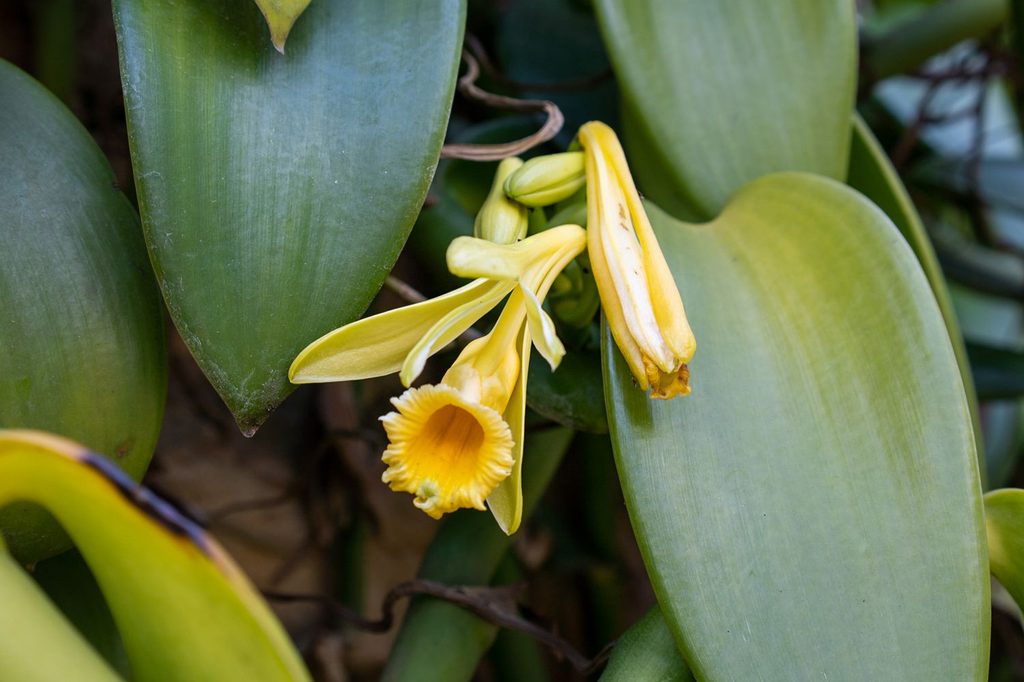
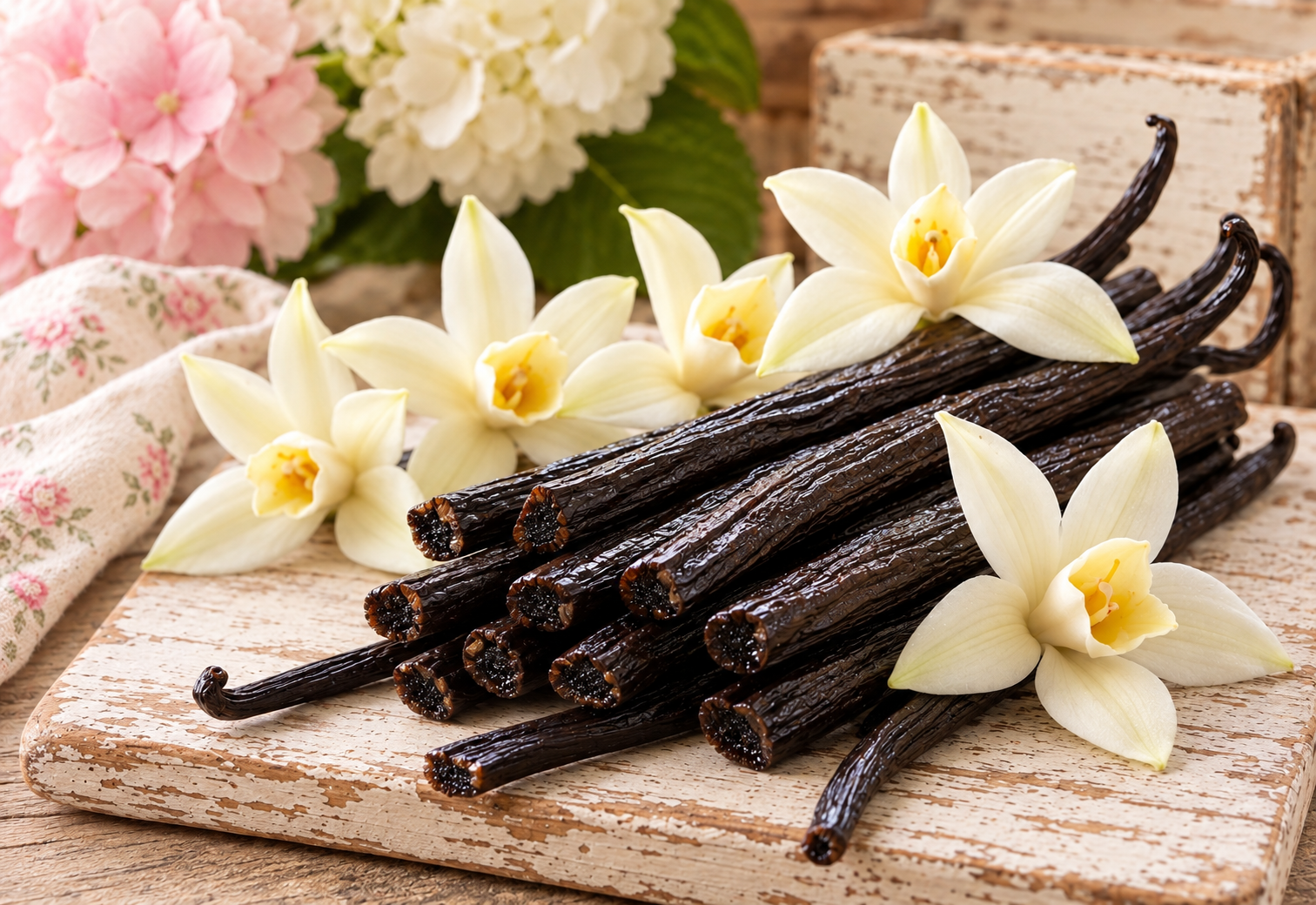
That dark, wrinkled vanilla bean we recognize today begins as the fruit of a tropical climbing orchid.
Yes, an orchid.
Suddenly that bottle of vanilla feels a little fancier.
Vanilla is native to tropical regions of the Americas, especially Mexico and Mesoamerica. The Totonac people of what is now Veracruz, Mexico, have long been associated with the early cultivation of vanilla.
Later, the Aztecs used fragrant vanilla pods alongside cacao in special beverages.
So, centuries before vanilla met buttercream frosting, people already valued its incredible fragrance and flavor.
Eventually, Spanish explorers encountered cacao and vanilla during the 1500s. Both ingredients later traveled across the Atlantic to Europe.
Vanilla’s journey was only beginning.
When Vanilla Traveled to Europe
At first, Europeans often enjoyed vanilla alongside chocolate.
However, cooks eventually began experimenting with vanilla as a flavor of its own.
That changed everything.
Soon, vanilla appeared in sweets, custards, drinks, perfumes, and eventually ice cream.
By the late 1700s, Thomas Jefferson had encountered vanilla ice cream while living in France. He later brought a handwritten vanilla ice cream recipe back to America.
Our little vanilla bean was becoming quite the world traveler.
Still, there was a problem.
Growing vanilla outside its native habitat wasn’t easy.
The vines would grow beautifully. The orchids would bloom.
Then everyone waited.
And waited.
Yet very few vanilla pods appeared.
Every gardener who has ever babied a plant for months only to receive absolutely nothing in return understands this betrayal.
Why Vanilla Was So Difficult to Grow
Vanilla orchids are rather particular about pollination.
Each flower opens for only a short period, usually about one day. Therefore, growers have a very small window for successful pollination.
In vanilla’s native environment, natural pollinators could help with the process.
However, when growers brought vanilla plants to other tropical regions, those pollinators didn’t necessarily come along for the journey.
The vines grew.
The flowers bloomed.
But the valuable vanilla pods often failed to develop.
For years, growers struggled to solve the problem.
Then, in 1841, something remarkable happened.
And it happened because of a 12-year-old boy named Edmond.
Edmond Albius Changes the History of Vanilla
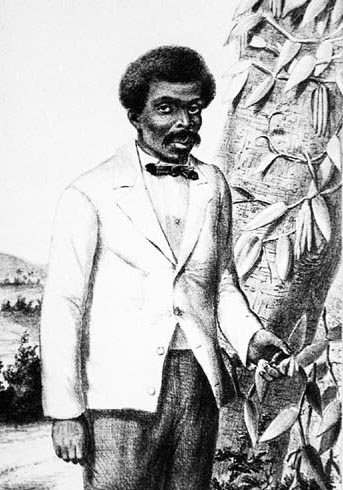
On the island of Réunion in the Indian Ocean, an enslaved boy named Edmond Albius discovered an effective way to pollinate vanilla orchids by hand.
Using a small tool and his fingers, Edmond learned how to move the tiny membrane separating the flower’s reproductive parts. He could then press those parts together and successfully pollinate the flower.
It sounds simple when we describe it today.
It wasn’t.
His discovery changed vanilla cultivation.
Growers could now reliably produce vanilla in tropical regions where the orchid’s natural pollinators were absent.
Eventually, the technique spread to other vanilla-growing regions, including Madagascar.
Variations of hand pollination remain an important part of vanilla cultivation today.
Think about that for a moment.
Nearly two centuries later, much of the real vanilla we use still begins with someone carefully tending an orchid flower by hand.
That bottle in the baking cupboard suddenly doesn’t seem quite so ordinary.
From Vanilla Flower to Vanilla Bean
Successful pollination is only the beginning.
After pollination, the flower develops into a long green pod. Although we commonly call it a vanilla bean, it is actually the fruit of the orchid.
Freshly harvested vanilla pods don’t immediately smell like the vanilla we know and love.
That familiar fragrance develops during curing.
Growers carefully process the beans through several stages. These can include heating, sweating, drying, and conditioning.
Over time, the pods darken and wrinkle. More importantly, they develop that deep vanilla aroma.
Growing, pollinating, harvesting, and curing vanilla requires tremendous patience and skill.
Suddenly, the price of good vanilla beans starts making a little more sense.
Those beans have earned their fancy-pants reputation.
Vanilla Begins Traveling the World
Once hand pollination made vanilla cultivation more practical, production expanded throughout tropical regions.
Réunion became an important producer. Later, Madagascar became especially famous for vanilla production.
Today, growers cultivate vanilla in several regions around the world, including Madagascar, Tahiti, Indonesia, Uganda, Papua New Guinea, Mexico, and other tropical areas.
Even better, vanilla grown in different regions can develop different flavor characteristics.
Some beans taste rich and creamy.
Others offer floral or fruity notes.
Still others may remind you of chocolate, dried fruit, warm spices, wood, or even a hint of smokiness.
Therefore, vanilla isn’t simply vanilla.
And yes, this gives us a perfectly reasonable excuse to keep several varieties in the pantry.
I’m sticking with that explanation.
How Vanilla Became a Baking Cupboard Staple
As vanilla became more widely available, its popularity continued to grow.
Cooks added it to cakes, cookies, puddings, custards, candies, ice creams, and drinks.
Eventually, vanilla extract offered home cooks an easy way to keep vanilla flavor ready for everyday baking.
Before long, vanilla became so familiar that we almost stopped thinking about it.
In fact, we even started using the word vanilla to describe something plain or ordinary.
Frankly, that seems terribly unfair to vanilla.
There is nothing plain about an orchid that blooms for such a short time. There is nothing ordinary about a crop that often requires careful hand pollination.
Then the pods need months to grow, mature, and cure before they develop the fragrance we recognize.
Vanilla isn’t boring.
Vanilla is quietly complicated.
And that makes me love it even more.
The Little Brown Bottle in Our Cupboard
Today, vanilla is one of those ingredients many bakers simply expect to have on hand.
We don’t always think about the orchid when we open the bottle.
We don’t picture growers walking through vanilla vines looking for flowers ready for pollination.
We probably don’t think about Edmond Albius and the discovery he made as a child.
Instead, we’re usually halfway through making cookies when we realize the bottle is nearly empty.
Around Maison Hearth, that qualifies as a pantry emergency.
However, knowing the history of vanilla changes the way you look at that little bottle.
Every vanilla bean represents time, agriculture, patience, skill, and generations of knowledge.
And now we’re going to take those remarkable beans and learn what we can make with them in our own kitchens.
What’s Next in The Vanilla Pantry?
Now that we know the sweet story behind the bean, it’s time to meet the beans themselves.
Next in The Vanilla Pantry, we’re exploring vanilla bean species and their origins.
We’ll look at different types of vanilla beans, where they’re grown, and how their flavor profiles can vary.
Some are rich and creamy.
Others are fruity or floral.
A few bring deeper notes of chocolate, spice, or wood.
Choosing vanilla beans isn’t quite as simple as grabbing the first package you see.
And once you start noticing those differences?
Well…
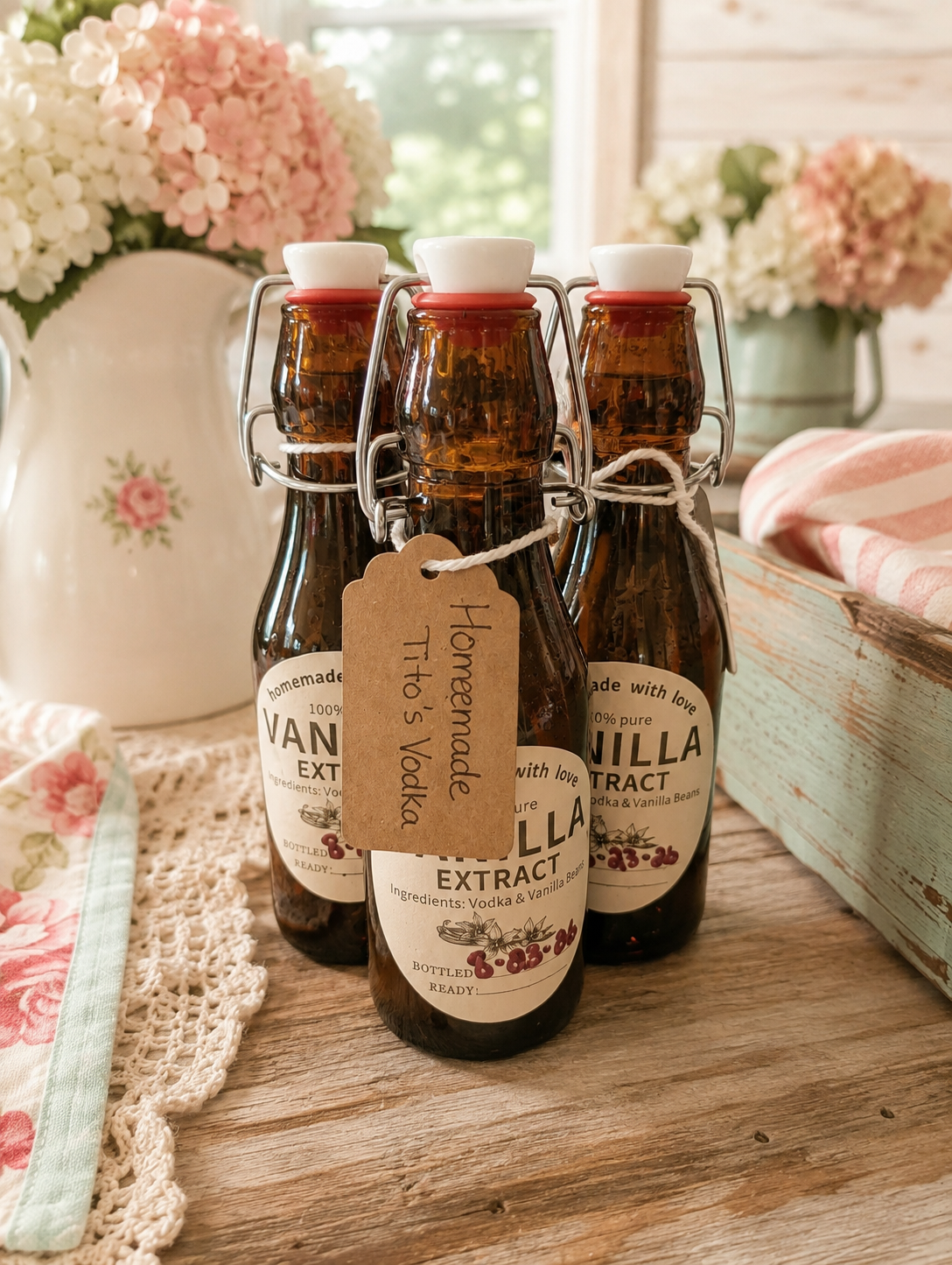
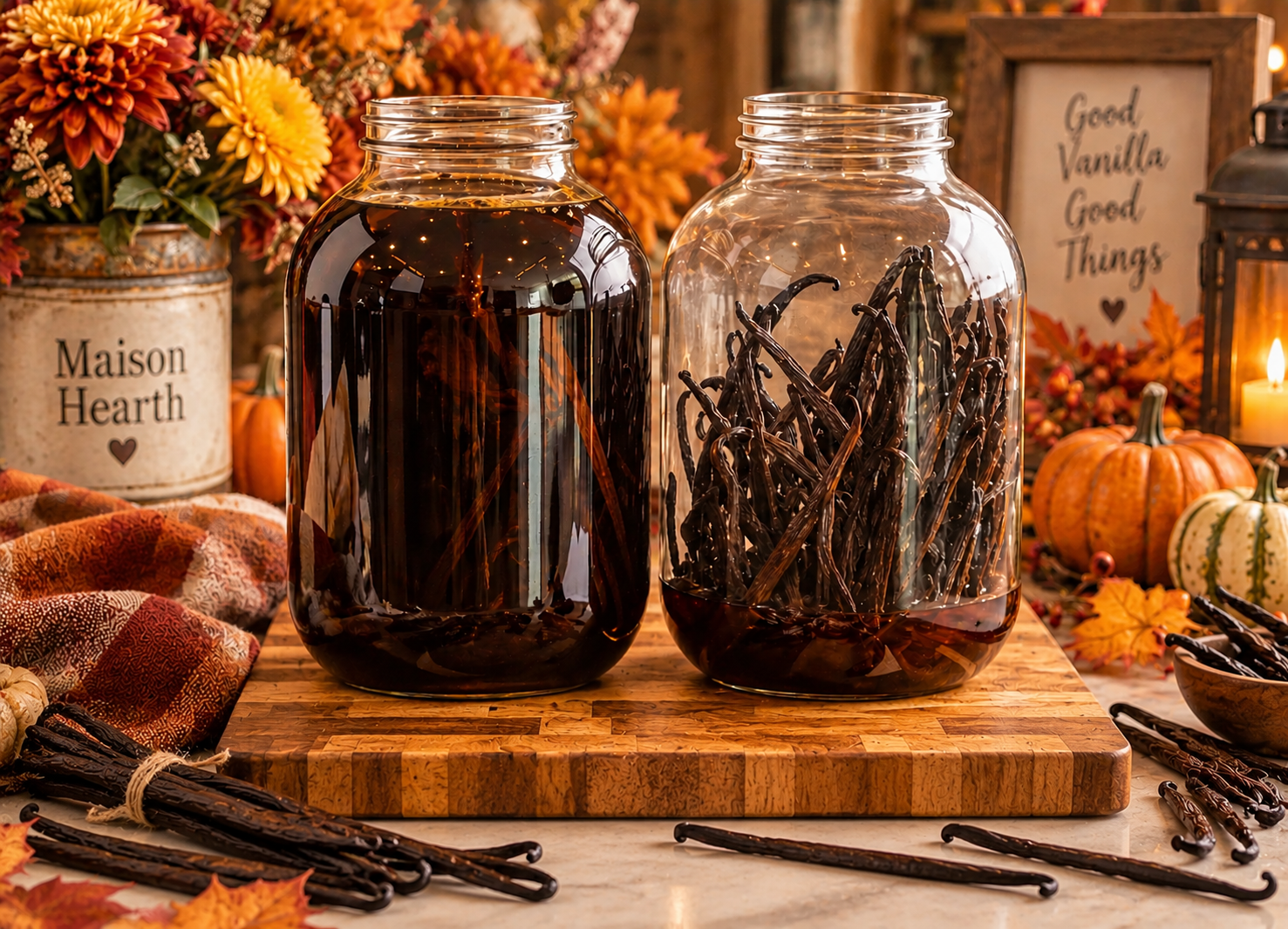
That’s usually how one innocent jar of homemade vanilla turns into an entire shelf.
Welcome to The Vanilla Pantry.
We’re just getting started.
Stay awhile at Maison Hearth.



One Comment